


news center
10 Signs Your High Pressure Hydraulic Rubber Hose Needs Replacement
2024-08-29
10 Signs Your High Pressure Hydraulic Rubber Hose Needs Replacement
Introduction to Hydraulic Rubber Hoses
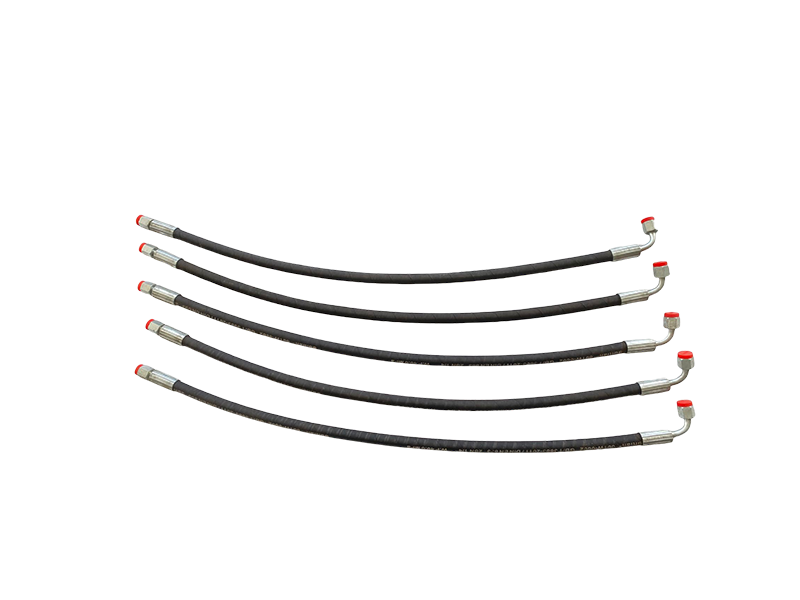
High-pressure hydraulic rubber hoses are vital components used in various industrial applications. They facilitate fluid transfer, enabling machinery to operate smoothly and efficiently. Over time, these hoses can experience wear and damage, which can lead to system failures or accidents if not addressed promptly. Recognizing the signs that indicate a need for replacement is crucial for maintaining operational integrity and safety.
Understanding the Importance of Hydraulic Hoses
Hydraulic hoses are essential for transferring hydraulic fluids under high pressure. They come in various materials and constructions, designed to withstand specific pressure and temperature conditions. A failing hose can lead to fluid leaks, system malfunctions, and even safety hazards. Regular inspection and maintenance of hydraulic hoses are necessary to ensure their reliability and longevity.
Why Timely Replacement Matters
Timely replacement of hydraulic hoses is vital for several reasons:
1. **Safety**: Damaged hoses can burst, leading to dangerous fluid leaks and potential injuries to personnel.
2. **Performance**: A compromised hose can reduce system efficiency, affecting overall machinery performance.
3. **Cost-Effectiveness**: Addressing issues early can prevent costly repairs and downtime associated with major hydraulic system failures.
Signs Your Hydraulic Rubber Hose Needs Replacement
Identifying the signs that your high-pressure hydraulic rubber hose requires replacement can save you time, money, and hassle. Here are the key indicators to watch for:
1. Visible Cracks or Cuts
Inspecting your hydraulic hoses for visible cracks or cuts is essential. These defects compromise the hose's structural integrity, leading to potential leaks. If you notice any visible damage, it’s time to replace the hose.
2. Bulging or Swelling of the Hose
A bulging or swollen hose can be indicative of internal damage or excessive pressure. This condition is a clear sign that the hose may fail soon, and immediate replacement is recommended to avoid catastrophic failure.
3. Leaks or Fluid Accumulation
Fluid leaks around the hose connections or along the rubber surface are critical warning signs. If you observe fluid accumulation, it indicates that the hose has developed a leak and should be replaced promptly to maintain system reliability.
4. Decreased Performance of Hydraulic Equipment
If you notice a decrease in the performance of your hydraulic machinery, it could be due to a failing hose. Reduced pressure or sluggish operation often signals that the hose is no longer functioning optimally and requires replacement.
5. Age of the Hose
All hydraulic hoses have a limited lifespan. Most high-pressure hydraulic rubber hoses should be assessed for replacement every few years, depending on the manufacturer's recommendations and usage conditions. Regularly check the age of your hoses and replace them as necessary.
6. Extreme Operating Conditions
Hoses subjected to extreme temperatures, pressures, or abrasive materials can wear out faster. If your hydraulic systems operate in harsh environments, inspecting hoses more frequently and replacing them when signs of wear appear is critical.
7. Discoloration or Surface Degradation
Changes in color or surface texture, such as fading or rough patches, can indicate material degradation. This type of damage can weaken the hose, making it susceptible to failure, and should prompt immediate replacement.
8. Increased Vibration or Noise
If your hydraulic system starts producing unusual vibrations or noise, it may be due to a compromised hose. This change in behavior can suggest improper fluid flow or pressure, necessitating a hose inspection and potential replacement.
Best Practices for Maintaining Hydraulic Hoses
To prolong the life of your hydraulic rubber hoses and prevent premature replacement, adhere to these best practices:
Regular Inspections
Conduct routine inspections of hydraulic hoses for any signs of wear or damage. Regularly checking for leaks, cracks, and bulging can help identify issues before they escalate.
Proper Installation Techniques
Ensure that hoses are installed correctly to avoid unnecessary stress or kinking. Using appropriate fittings and avoiding sharp bends will help maintain hose integrity.
Monitor Operating Conditions
Pay attention to the operating conditions of your hydraulic systems. Keeping gauges on the pressure and temperature can help identify potential problems early.
Use Quality Hoses and Components
Invest in high-quality hydraulic hoses and components. While cheaper options may save money initially, they can lead to more significant costs due to frequent replacements and system failures.
When to Consult a Professional
While regular inspections and maintenance can help, there are times when consulting a professional is necessary. If you are unsure about the condition of your hydraulic hoses or need assistance with replacement, seeking expert advice can ensure optimal safety and performance.
FAQs About Hydraulic Hose Replacement
1. How often should I replace my hydraulic hoses?
The lifespan of hydraulic hoses varies depending on usage, but a general recommendation is to inspect them every 1-2 years and replace them every 5-10 years, or sooner if any signs of wear are detected.
2. Can I repair a damaged hydraulic hose?
In some cases, minor damage can be repaired, but it's usually more cost-effective and safer to replace the hose entirely, especially if it’s experiencing significant wear or leaks.
3. What are the risks of not replacing a damaged hydraulic hose?
Failure to replace a damaged hydraulic hose can lead to catastrophic failure, fluid leaks, equipment damage, and serious safety hazards for operators and nearby personnel.
4. How do I choose the right replacement hose?
Select a replacement hose that matches the specifications of the original, including pressure rating, temperature tolerance, and compatibility with the hydraulic fluid used in your system.
5. What should I do if I notice signs of hose damage?
If you notice any signs of damage, such as leaks, cracks, or performance issues, immediately cease operation of the affected machinery and replace the hose to prevent further problems.
Conclusion
Recognizing the signs that your high-pressure hydraulic rubber hose needs replacement is crucial for maintaining the safety and efficiency of your hydraulic systems. By staying vigilant and implementing regular maintenance practices, you can ensure the longevity of your hydraulic hoses and avoid costly downtime. Don't overlook the importance of timely replacement—it's an investment in the performance and safety of your machinery.
关键词
High Pressure Oil Pipe
High Pressure Hard Pipe
High Pressure Hydraulic Hose
Hotline
Add: Changfa Industrial Park, Lijia Town, Wujin District, Changzhou City
Fax: 86-519-8969086
language
English
العربية
বাংলাদেশ
Български
Hrvatski
Česky
Dansk
Nederland
 Esperanto
Slovenski
Filipino
Suomi
Français
Maori
 Shqiptare
Georgian
 Euskara
Deutsch
Ελλάδα
ישראל
इंडिया
Magyarország
Ísland
Indonesia
Irlanda
Italia
日本語
Sovensko
Հայաստան
한국
Kyrgyz
ປະເທດລາວ
 Zulu
Zulu
Latvian
Lithuanian
Luxembourgish
 Latinus
Macedonian
Малайская
Maltese
Монгол улс
 Cymraeg
ဗမာ
 தமிழ்
தமிழ்
नेपाल
Norge
ایران
Polska
Portugal
România
Российская
Србија
 Slovak
Србија
 Slovak
Bosanski
Slovenian
Беларус
España
Sverige
Точик
ประเทศไทย
Türk
Azərbaycan
Uzbek
 Afrikaans
Việt Nam
Follow Us

Copyright©2022 Changzhou Guande Machinery Co., Ltd Powered by www.300.cn
Copyright©2022 Changzhou Guande Machinery Co., Ltd
This website already supports IPV6 | SEO | Cloud information