


news center
Essential Insights on High Pressure Hydraulic Hose Pipes for Industrial Applications
2024-08-02
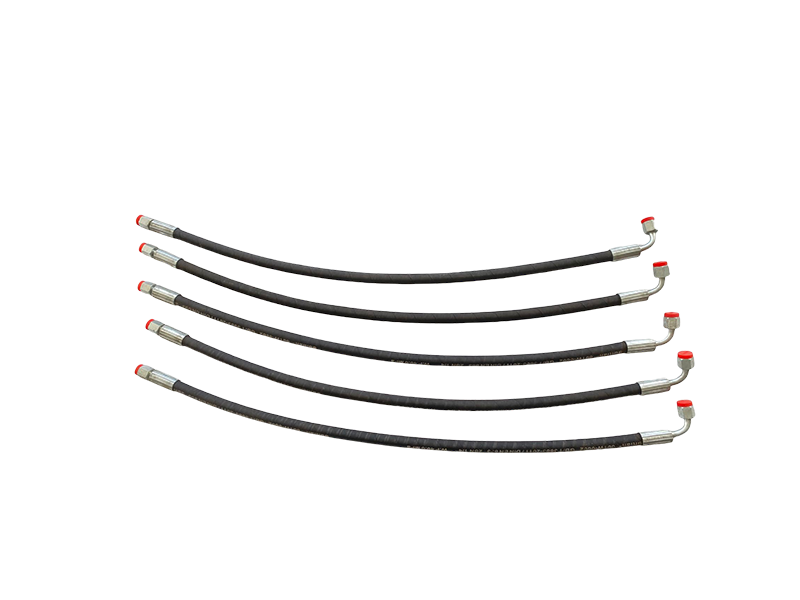
High pressure hydraulic hose pipes play a crucial role in the functionality of hydraulic systems used across various industries. These hoses are designed to transport hydraulic fluids under high pressure, making them essential components in machinery like excavators, forklifts, and manufacturing equipment. The effectiveness of hydraulic systems heavily relies on the quality and specifications of the hoses used.
When selecting a high pressure hydraulic hose pipe, it is important to consider the materials and construction. Common materials include rubber, thermoplastic, and PTFE (polytetrafluoroethylene), each offering different advantages. Rubber hoses are known for their flexibility and resilience, while thermoplastic hoses provide lightweight options with high resistance to chemicals and abrasion. PTFE hoses, on the other hand, excel in high-temperature applications, making them suitable for extreme conditions.
Another critical aspect to address is the pressure rating of the hose. Each hydraulic system operates at specific pressure levels, and choosing a hose with an appropriate pressure rating is vital. Exceeding the hose’s pressure limit can lead to catastrophic failures, causing system downtime and potential safety hazards. It is advisable to select hoses that provide a margin above the maximum operating pressure to ensure reliability.
Regular maintenance is essential for prolonging the lifespan of high pressure hydraulic hose pipes. Operators must periodically inspect hoses for signs of wear, such as cracks, bulges, or leaks. Proper storage practices, such as avoiding sharp bends or kinks, can also prevent damage. Additionally, replacing hoses at recommended intervals, regardless of visible condition, can help avoid unexpected breakdowns.
Safety should always be a priority in the operation of hydraulic systems. Proper installation of high pressure hydraulic hose pipes is vital to prevent accidents. Ensure that all fittings are tight and that hoses are routed away from potential hazards. Operators should also be trained to recognize the signs of hose failure, such as unusual noises or fluid leaks, which can indicate a need for immediate attention.
In conclusion, high pressure hydraulic hose pipes are indispensable in the world of industrial equipment and hydraulic systems. Understanding their material properties, pressure ratings, maintenance needs, and safety measures can significantly enhance operational efficiency and safety. By prioritizing these factors, industries can ensure that their hydraulic systems function optimally, reducing downtime and enhancing productivity.
When selecting a high pressure hydraulic hose pipe, it is important to consider the materials and construction. Common materials include rubber, thermoplastic, and PTFE (polytetrafluoroethylene), each offering different advantages. Rubber hoses are known for their flexibility and resilience, while thermoplastic hoses provide lightweight options with high resistance to chemicals and abrasion. PTFE hoses, on the other hand, excel in high-temperature applications, making them suitable for extreme conditions.
Another critical aspect to address is the pressure rating of the hose. Each hydraulic system operates at specific pressure levels, and choosing a hose with an appropriate pressure rating is vital. Exceeding the hose’s pressure limit can lead to catastrophic failures, causing system downtime and potential safety hazards. It is advisable to select hoses that provide a margin above the maximum operating pressure to ensure reliability.
Regular maintenance is essential for prolonging the lifespan of high pressure hydraulic hose pipes. Operators must periodically inspect hoses for signs of wear, such as cracks, bulges, or leaks. Proper storage practices, such as avoiding sharp bends or kinks, can also prevent damage. Additionally, replacing hoses at recommended intervals, regardless of visible condition, can help avoid unexpected breakdowns.
Safety should always be a priority in the operation of hydraulic systems. Proper installation of high pressure hydraulic hose pipes is vital to prevent accidents. Ensure that all fittings are tight and that hoses are routed away from potential hazards. Operators should also be trained to recognize the signs of hose failure, such as unusual noises or fluid leaks, which can indicate a need for immediate attention.
In conclusion, high pressure hydraulic hose pipes are indispensable in the world of industrial equipment and hydraulic systems. Understanding their material properties, pressure ratings, maintenance needs, and safety measures can significantly enhance operational efficiency and safety. By prioritizing these factors, industries can ensure that their hydraulic systems function optimally, reducing downtime and enhancing productivity.
关键词
High Pressure Oil Pipe
High Pressure Hard Pipe
High Pressure Hydraulic Hose
Hotline
Add: Changfa Industrial Park, Lijia Town, Wujin District, Changzhou City
Fax: 86-519-8969086
language
English
العربية
বাংলাদেশ
Български
Hrvatski
Česky
Dansk
Nederland
 Esperanto
Slovenski
Filipino
Suomi
Français
Maori
 Shqiptare
Georgian
 Euskara
Deutsch
Ελλάδα
ישראל
इंडिया
Magyarország
Ísland
Indonesia
Irlanda
Italia
日本語
Sovensko
Հայաստան
한국
Kyrgyz
ປະເທດລາວ
 Zulu
Zulu
Latvian
Lithuanian
Luxembourgish
 Latinus
Macedonian
Малайская
Maltese
Монгол улс
 Cymraeg
ဗမာ
 தமிழ்
தமிழ்
नेपाल
Norge
ایران
Polska
Portugal
România
Российская
Србија
 Slovak
Србија
 Slovak
Bosanski
Slovenian
Беларус
España
Sverige
Точик
ประเทศไทย
Türk
Azərbaycan
Uzbek
 Afrikaans
Việt Nam
Follow Us

Copyright©2022 Changzhou Guande Machinery Co., Ltd Powered by www.300.cn
Copyright©2022 Changzhou Guande Machinery Co., Ltd
This website already supports IPV6 | SEO | Cloud information