


news center
Unleashing the Power: The Ultimate Guide to High Pressure Hydraulic Hose Pipes
2024-07-30
Unleashing the Power: The Ultimate Guide to High Pressure Hydraulic Hose Pipes
Table of Contents
- 1. Introduction to High Pressure Hydraulic Hose Pipes
- 2. Understanding Hydraulic Hoses: Types and Characteristics
- 3. Applications of High Pressure Hydraulic Hose Pipes
- 4. Key Specifications of Hydraulic Hose Pipes
- 5. Installation and Maintenance of Hydraulic Hose Pipes
- 6. Troubleshooting Common Issues with Hydraulic Hose Pipes
- 7. Safety Considerations in Using Hydraulic Hose Pipes
- 8. Future Trends in Hydraulic Hose Technology
- 9. Frequently Asked Questions
- 10. Conclusion
1. Introduction to High Pressure Hydraulic Hose Pipes
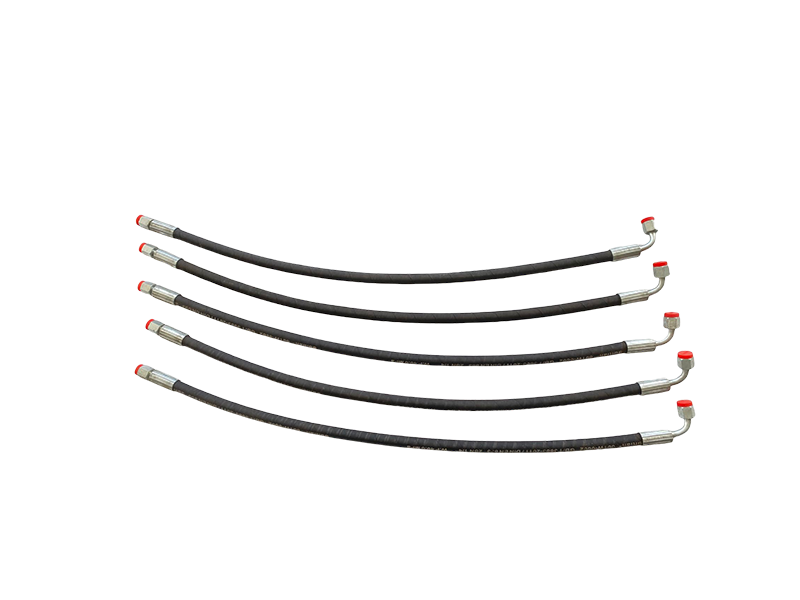
High pressure hydraulic hose pipes play a crucial role in various industries, acting as the lifelines for hydraulic systems. These pipes are designed to transmit hydraulic fluid under high pressure, thus facilitating the operation of machinery and equipment in sectors such as construction, manufacturing, and automotive. Understanding the intricacies of these hoses is essential for anyone involved in the hydraulic industry.
2. Understanding Hydraulic Hoses: Types and Characteristics
Hydraulic hoses come in a variety of types, each specialized for specific applications.
2.1 Types of Hydraulic Hoses
Some of the most common types include:
- **Wire-Braided Hoses**: Known for their strength and flexibility, wire-braided hoses are ideal for high-pressure applications. They consist of multiple layers of wire braids that provide excellent support.
- **Spiral Hoses**: Suitable for ultra-high pressure operations, spiral hoses feature a spiral-wound reinforcement that enhances flexibility and durability.
- **Thermoplastic Hoses**: These lightweight and flexible hoses are resistant to abrasion and various chemicals, making them ideal for mobile equipment and agricultural applications.
2.2 Characteristics of High Pressure Hydraulic Hoses
Key characteristics of high pressure hydraulic hoses include:
- **Pressure Rating**: Every hydraulic hose is rated for a specific maximum working pressure, which is critical for safety and performance.
- **Temperature Resistance**: Hydraulic hoses must withstand a range of temperatures, ensuring reliability in various working conditions.
- **Fluid Compatibility**: The materials used in hydraulic hoses must be compatible with the fluids they carry, preventing degradation or failure.
3. Applications of High Pressure Hydraulic Hose Pipes
High pressure hydraulic hose pipes are utilized across numerous applications:
3.1 Construction
In construction, hydraulic hoses facilitate the operation of excavators, loaders, and cranes, enabling efficient movement of heavy loads.
3.2 Manufacturing
Manufacturing processes often rely on hydraulic systems for automation, where hoses transfer power to machinery for cutting, molding, and assembly.
3.3 Automotive
The automotive industry uses hydraulic hoses in braking systems, power steering, and various engine components, ensuring smooth and efficient vehicle operation.
4. Key Specifications of Hydraulic Hose Pipes
Understanding the specifications of hydraulic hoses is vital for selecting the right product for your application.
4.1 Hose Diameter
The diameter of the hose impacts the flow rate and pressure drop. Selecting the correct diameter is essential for optimal performance.
4.2 Working Pressure
The working pressure rating indicates the maximum pressure the hose can withstand during operation. Always choose a hose with a rating higher than your system's maximum pressure.
4.3 Bend Radius
The bend radius is the minimum radius a hose can be bent without compromising its integrity. A smaller bend radius can lead to excessive wear and potential failure.
5. Installation and Maintenance of Hydraulic Hose Pipes
Proper installation and maintenance are critical to ensure the longevity and efficiency of hydraulic hoses.
5.1 Installation Tips
- Always follow manufacturer guidelines during installation.
- Use appropriate fittings that match the hose specifications.
- Ensure clean, dry hose ends before connecting to prevent contamination.
5.2 Maintenance Best Practices
- Regularly inspect hoses for signs of wear, leaks, or damage.
- Replace hoses at the first sign of deterioration to prevent catastrophic failure.
- Flush the system periodically to remove debris and contaminants.
6. Troubleshooting Common Issues with Hydraulic Hose Pipes
Understanding common issues can help in quick troubleshooting.
6.1 Leaks
Leaks are often caused by damaged hoses or improper fittings. Regular inspection and prompt replacement are essential.
6.2 Pressure Loss
Pressure loss can occur due to blockages or damage within the hose. Immediate assessment is required to pinpoint the issue.
7. Safety Considerations in Using Hydraulic Hose Pipes
Safety is paramount when working with high pressure hydraulic systems.
7.1 Personal Protective Equipment (PPE)
Always wear appropriate PPE, including gloves, goggles, and protective clothing, when working with hydraulic systems.
7.2 Regular Training
Ensure that all personnel are trained in the proper handling and operation of hydraulic systems to minimize risks.
8. Future Trends in Hydraulic Hose Technology
As technology advances, so do hydraulic hose designs.
8.1 Smart Hoses
The integration of sensors into hydraulic hoses provides real-time data regarding pressure, temperature, and fluid flow, enhancing system monitoring.
8.2 Eco-Friendly Materials
The industry is moving towards sustainable materials that reduce environmental impact while maintaining performance standards.
9. Frequently Asked Questions
9.1 What is the difference between low and high pressure hydraulic hoses?
Low pressure hoses typically handle pressures up to 3000 PSI, while high pressure hoses can withstand pressures exceeding 6000 PSI, making them suitable for demanding applications.
9.2 How often should hydraulic hoses be replaced?
The lifespan of hydraulic hoses varies based on factors such as usage, pressure, and environment. Regular inspections are crucial, and hoses should be replaced every 5 years or sooner if signs of wear appear.
9.3 Can hydraulic hoses be repaired?
While minor damage can sometimes be repaired, it is often safer and more cost-effective to replace the hose entirely.
9.4 What materials are hydraulic hoses made of?
Common materials include rubber, thermoplastic, and metal. The choice of material depends on the specific application and required durability.
9.5 How do I choose the right hydraulic hose for my application?
Consider factors such as pressure rating, temperature range, fluid compatibility, and bend radius when selecting a hydraulic hose.
10. Conclusion
High pressure hydraulic hose pipes are a fundamental component of modern industrial machinery, enabling the efficient transfer of hydraulic fluids and power. Understanding their characteristics, applications, and maintenance can significantly enhance the performance and longevity of hydraulic systems. By following best practices and staying informed on the latest trends, industries can harness the full potential of hydraulic technology. Embracing these insights will ensure your operations run smoothly and safely, paving the way for future advancements in hydraulic systems.
关键词
High Pressure Oil Pipe
High Pressure Hard Pipe
High Pressure Hydraulic Hose
Hotline
Add: Changfa Industrial Park, Lijia Town, Wujin District, Changzhou City
Fax: 86-519-8969086
language
English
العربية
বাংলাদেশ
Български
Hrvatski
Česky
Dansk
Nederland
 Esperanto
Slovenski
Filipino
Suomi
Français
Maori
 Shqiptare
Georgian
 Euskara
Deutsch
Ελλάδα
ישראל
इंडिया
Magyarország
Ísland
Indonesia
Irlanda
Italia
日本語
Sovensko
Հայաստան
한국
Kyrgyz
ປະເທດລາວ
 Zulu
Zulu
Latvian
Lithuanian
Luxembourgish
 Latinus
Macedonian
Малайская
Maltese
Монгол улс
 Cymraeg
ဗမာ
 தமிழ்
தமிழ்
नेपाल
Norge
ایران
Polska
Portugal
România
Российская
Србија
 Slovak
Србија
 Slovak
Bosanski
Slovenian
Беларус
España
Sverige
Точик
ประเทศไทย
Türk
Azərbaycan
Uzbek
 Afrikaans
Việt Nam
Follow Us

Copyright©2022 Changzhou Guande Machinery Co., Ltd Powered by www.300.cn
Copyright©2022 Changzhou Guande Machinery Co., Ltd
This website already supports IPV6 | SEO | Cloud information