


news center
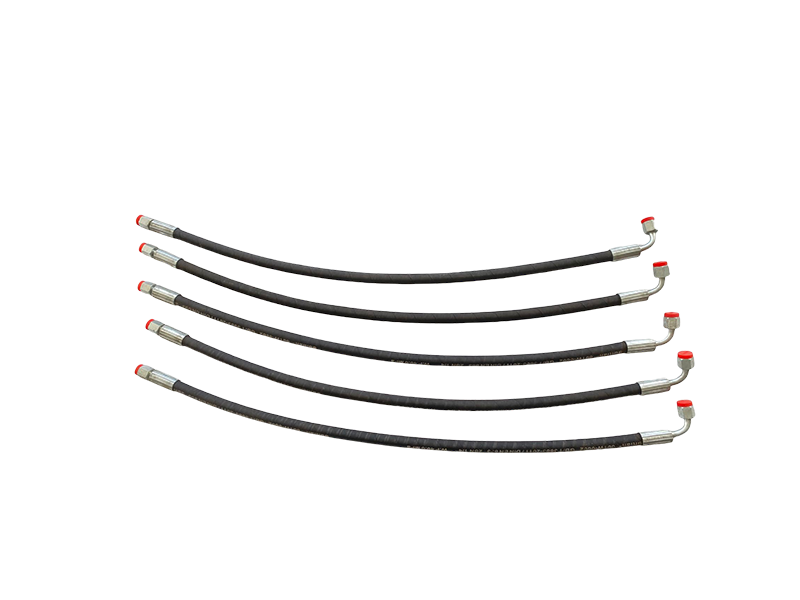
Exploring Innovative Designs for High Pressure Fuel Line Hose
2023-12-18
Table of Contents:
1. Introduction
2. The Importance of High Pressure Fuel Line Hose
3. Evolution of Fuel Line Hose Design
4. Advanced Materials for Fuel Line Hose
5. Innovative Construction Techniques
6. Enhancing Durability and Performance
7. Addressing Environmental Concerns
8. FAQs (Frequently Asked Questions)
9. Conclusion
In this article, we delve into the realm of high pressure fuel line hose designs within the metallurgy, mineral resources, and energy industry. Our focus is on the "Other Pipes" category, exploring the latest innovations, materials, and construction techniques that have propelled the evolution of fuel line hoses.
High pressure fuel line hoses play a crucial role in various industries, ensuring the safe and efficient transportation of fuel. From automotive applications to aerospace and marine industries, these hoses must withstand extreme pressure, temperature, and environmental conditions without compromising performance or safety.
Over the years, fuel line hose designs have undergone significant advancements. Traditional materials like rubber and steel have given way to more innovative options that offer superior performance, durability, and flexibility. Manufacturers have focused on improving efficiency, reducing weight, and enhancing overall functionality of fuel line hoses.
With the advent of advanced materials, fuel line hoses are now lighter and more flexible than ever before. This enables easier installation and routing, reducing the complexity and time required for assembly. Manufacturers have successfully developed high-strength yet lightweight materials that maintain their structural integrity even under extreme operating conditions.
The integration of smart technologies has revolutionized fuel line hose design. Sensors embedded within the hoses can monitor pressure, temperature, and flow rates in real-time, providing valuable data for optimization and preventive maintenance. This innovative approach ensures enhanced safety, efficiency, and reliability in fuel transportation systems.
Manufacturers have introduced a wide range of advanced materials to meet the demands of high pressure fuel line hose applications. These materials offer exceptional resistance to heat, chemicals, and abrasion, ensuring long-lasting performance and minimizing the risk of fuel leakage or hose failure.
Reinforced thermoplastic polymer materials, such as nylon and polyethylene, have gained popularity due to their excellent mechanical properties and resistance to various fuels and chemicals. These materials offer high tensile strength, flexibility, and dimensional stability, making them ideal for high pressure fuel line hoses.
Composite materials, combining different fibers and matrices, have also emerged as viable options for fuel line hoses. Carbon fiber reinforced polymers (CFRP) and glass fiber reinforced polymers (GFRP) provide excellent strength-to-weight ratios, corrosion resistance, and thermal stability. These materials offer superior performance in demanding environments.
In addition to advanced materials, manufacturers have adopted innovative construction techniques to enhance the performance and reliability of fuel line hoses. These techniques ensure optimal flow characteristics, improved resistance to pressure and temperature fluctuations, and better overall durability.
The use of helical reinforcement, such as steel wire or synthetic fibers, provides increased burst strength and resistance to kinking. This construction technique also improves flexibility while maintaining structural integrity, enabling better routing and installation options.
Multi-layered designs, incorporating different materials and reinforcements, offer enhanced protection against abrasion, chemicals, and external factors. These designs provide superior durability, reducing the risk of leaks or failures in high pressure fuel line hose applications.
To ensure long-lasting durability and optimal performance, manufacturers have implemented various strategies and technologies.
Thermoforming and heat treatment processes improve the mechanical properties and resistance of fuel line hoses. These techniques optimize the material structure, enhancing strength, resistance to fatigue, and overall performance under extreme operating conditions.
Stringent testing and quality control measures are essential to ensure the reliability and safety of high pressure fuel line hoses. Advanced techniques, including pressure testing, temperature cycling, and accelerated aging, help identify potential weaknesses and verify compliance with industry standards.
In recent years, the focus on environmental sustainability has driven innovative designs for high pressure fuel line hoses. Manufacturers strive to minimize carbon footprint, reduce waste, and improve energy efficiency throughout the lifecycle of these hoses.
The development and use of eco-friendly materials, such as bio-based polymers and recycled fibers, contribute to a more sustainable fuel transportation system. These materials offer comparable performance while reducing environmental impact and promoting a circular economy.
Optimizing fuel efficiency is another crucial aspect of innovative fuel line hose designs. By reducing pressure drops, improving flow characteristics, and minimizing weight, manufacturers contribute to overall energy savings and reduced greenhouse gas emissions.
Q1: What is the maximum pressure that high pressure fuel line hoses can withstand?
Q2: Are high pressure fuel line hoses suitable for both gasoline and diesel fuel?
Q3: How often should fuel line hoses be inspected for potential wear or damage?
Q4: Can high pressure fuel line hoses be repaired or should they be replaced entirely?
Q5: Are there any regulations or standards governing the design and manufacturing of fuel line hoses?
Innovation and constant evolution have transformed the landscape of high pressure fuel line hose designs. With advanced materials, construction techniques, and a focus on durability, performance, and sustainability, manufacturers are revolutionizing the way fuel is transported in various industries. By understanding the latest trends and advancements, you can make informed decisions and stay ahead in this ever-evolving field.
1. Introduction
2. The Importance of High Pressure Fuel Line Hose
3. Evolution of Fuel Line Hose Design
4. Advanced Materials for Fuel Line Hose
5. Innovative Construction Techniques
6. Enhancing Durability and Performance
7. Addressing Environmental Concerns
8. FAQs (Frequently Asked Questions)
9. Conclusion
1. Introduction
In this article, we delve into the realm of high pressure fuel line hose designs within the metallurgy, mineral resources, and energy industry. Our focus is on the "Other Pipes" category, exploring the latest innovations, materials, and construction techniques that have propelled the evolution of fuel line hoses.
2. The Importance of High Pressure Fuel Line Hose
High pressure fuel line hoses play a crucial role in various industries, ensuring the safe and efficient transportation of fuel. From automotive applications to aerospace and marine industries, these hoses must withstand extreme pressure, temperature, and environmental conditions without compromising performance or safety.
3. Evolution of Fuel Line Hose Design
Over the years, fuel line hose designs have undergone significant advancements. Traditional materials like rubber and steel have given way to more innovative options that offer superior performance, durability, and flexibility. Manufacturers have focused on improving efficiency, reducing weight, and enhancing overall functionality of fuel line hoses.
3.1 Lightweight and Flexible Options
With the advent of advanced materials, fuel line hoses are now lighter and more flexible than ever before. This enables easier installation and routing, reducing the complexity and time required for assembly. Manufacturers have successfully developed high-strength yet lightweight materials that maintain their structural integrity even under extreme operating conditions.
3.2 Integration of Smart Technologies
The integration of smart technologies has revolutionized fuel line hose design. Sensors embedded within the hoses can monitor pressure, temperature, and flow rates in real-time, providing valuable data for optimization and preventive maintenance. This innovative approach ensures enhanced safety, efficiency, and reliability in fuel transportation systems.
4. Advanced Materials for Fuel Line Hose
Manufacturers have introduced a wide range of advanced materials to meet the demands of high pressure fuel line hose applications. These materials offer exceptional resistance to heat, chemicals, and abrasion, ensuring long-lasting performance and minimizing the risk of fuel leakage or hose failure.
4.1 Reinforced Thermoplastic Polymer
Reinforced thermoplastic polymer materials, such as nylon and polyethylene, have gained popularity due to their excellent mechanical properties and resistance to various fuels and chemicals. These materials offer high tensile strength, flexibility, and dimensional stability, making them ideal for high pressure fuel line hoses.
4.2 Composite Materials
Composite materials, combining different fibers and matrices, have also emerged as viable options for fuel line hoses. Carbon fiber reinforced polymers (CFRP) and glass fiber reinforced polymers (GFRP) provide excellent strength-to-weight ratios, corrosion resistance, and thermal stability. These materials offer superior performance in demanding environments.
5. Innovative Construction Techniques
In addition to advanced materials, manufacturers have adopted innovative construction techniques to enhance the performance and reliability of fuel line hoses. These techniques ensure optimal flow characteristics, improved resistance to pressure and temperature fluctuations, and better overall durability.
5.1 Helical Reinforcement
The use of helical reinforcement, such as steel wire or synthetic fibers, provides increased burst strength and resistance to kinking. This construction technique also improves flexibility while maintaining structural integrity, enabling better routing and installation options.
5.2 Multi-Layered Designs
Multi-layered designs, incorporating different materials and reinforcements, offer enhanced protection against abrasion, chemicals, and external factors. These designs provide superior durability, reducing the risk of leaks or failures in high pressure fuel line hose applications.
6. Enhancing Durability and Performance
To ensure long-lasting durability and optimal performance, manufacturers have implemented various strategies and technologies.
6.1 Thermoforming and Heat Treatment
Thermoforming and heat treatment processes improve the mechanical properties and resistance of fuel line hoses. These techniques optimize the material structure, enhancing strength, resistance to fatigue, and overall performance under extreme operating conditions.
6.2 Advanced Testing and Quality Control
Stringent testing and quality control measures are essential to ensure the reliability and safety of high pressure fuel line hoses. Advanced techniques, including pressure testing, temperature cycling, and accelerated aging, help identify potential weaknesses and verify compliance with industry standards.
7. Addressing Environmental Concerns
In recent years, the focus on environmental sustainability has driven innovative designs for high pressure fuel line hoses. Manufacturers strive to minimize carbon footprint, reduce waste, and improve energy efficiency throughout the lifecycle of these hoses.
7.1 Eco-Friendly Materials
The development and use of eco-friendly materials, such as bio-based polymers and recycled fibers, contribute to a more sustainable fuel transportation system. These materials offer comparable performance while reducing environmental impact and promoting a circular economy.
7.2 Fuel Efficiency Optimization
Optimizing fuel efficiency is another crucial aspect of innovative fuel line hose designs. By reducing pressure drops, improving flow characteristics, and minimizing weight, manufacturers contribute to overall energy savings and reduced greenhouse gas emissions.
8. FAQs (Frequently Asked Questions)
Q1: What is the maximum pressure that high pressure fuel line hoses can withstand?
Q2: Are high pressure fuel line hoses suitable for both gasoline and diesel fuel?
Q3: How often should fuel line hoses be inspected for potential wear or damage?
Q4: Can high pressure fuel line hoses be repaired or should they be replaced entirely?
Q5: Are there any regulations or standards governing the design and manufacturing of fuel line hoses?
9. Conclusion
Innovation and constant evolution have transformed the landscape of high pressure fuel line hose designs. With advanced materials, construction techniques, and a focus on durability, performance, and sustainability, manufacturers are revolutionizing the way fuel is transported in various industries. By understanding the latest trends and advancements, you can make informed decisions and stay ahead in this ever-evolving field.
关键词
High Pressure Oil Pipe
High Pressure Hard Pipe
High Pressure Hydraulic Hose
Hotline
Add: Changfa Industrial Park, Lijia Town, Wujin District, Changzhou City
Fax: 86-519-8969086
language
English
العربية
বাংলাদেশ
Български
Hrvatski
Česky
Dansk
Nederland
 Esperanto
Slovenski
Filipino
Suomi
Français
Maori
 Shqiptare
Georgian
 Euskara
Deutsch
Ελλάδα
ישראל
इंडिया
Magyarország
Ísland
Indonesia
Irlanda
Italia
日本語
Sovensko
Հայաստան
한국
Kyrgyz
ປະເທດລາວ
 Zulu
Zulu
Latvian
Lithuanian
Luxembourgish
 Latinus
Macedonian
Малайская
Maltese
Монгол улс
 Cymraeg
ဗမာ
 தமிழ்
தமிழ்
नेपाल
Norge
ایران
Polska
Portugal
România
Российская
Србија
 Slovak
Србија
 Slovak
Bosanski
Slovenian
Беларус
España
Sverige
Точик
ประเทศไทย
Türk
Azərbaycan
Uzbek
 Afrikaans
Việt Nam
Follow Us

Copyright©2022 Changzhou Guande Machinery Co., Ltd Powered by www.300.cn
Copyright©2022 Changzhou Guande Machinery Co., Ltd
This website already supports IPV6 | SEO | Cloud information