


news center
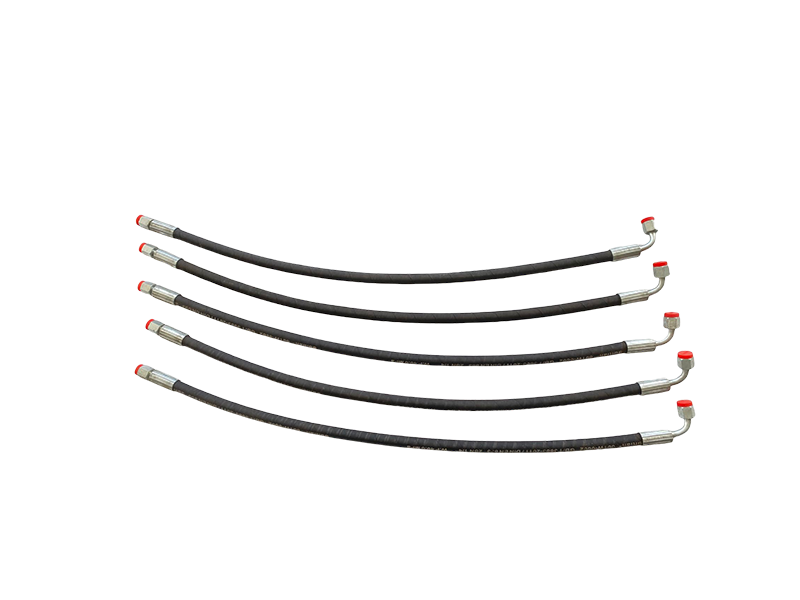
Key Factors to Consider When Installing High Pressure Hydraulic Hose Pipes
2023-11-13
Table of Contents:
1. Introduction: Understanding the Importance of Proper Installation
2. Selecting the Right Hose Pipe: Material, Size, and Pressure Rating
3. Ensuring Proper Hose Routing and Support
4. Correct Hose Assembly: Fittings, Crimping, and Inspection
5. Implementing Leak Prevention Measures
6. Regular Maintenance and Inspection
7. FAQs: Common Questions About Installing High Pressure Hydraulic Hose Pipes
8. Conclusion
Proper installation of high pressure hydraulic hose pipes is crucial to ensure optimal performance and safety in industrial equipment. This article will guide you through the key factors you need to consider when installing these hoses, helping you make informed decisions and avoid costly mistakes.
Choosing the correct hose pipe is the first step in the installation process. Consider the following factors:
- Material: Select a hose pipe that is compatible with the fluid it will be carrying, such as oil, water, or chemicals.
- Size: Determine the appropriate inner diameter and length of the hose based on the system's requirements.
- Pressure Rating: Ensure the hose can withstand the maximum pressure of the hydraulic system to prevent bursting or leakage.
Proper hose routing and support are essential for preventing excessive stress, abrasion, and premature failure. Follow these guidelines:
- Avoid sharp bends and kinks in the hose, as they can restrict flow and lead to hose damage.
- Use clamps or brackets to secure the hose at regular intervals, preventing excessive movement and vibration.
- Keep the hose away from hot surfaces, moving parts, or potential sources of abrasion to prolong its lifespan.
Proper assembly of hose fittings is crucial for leak-free connections. Consider the following:
- Choose fittings compatible with the hose material and hydraulic system requirements.
- Use a crimping machine or specialized tools to attach fittings securely to the hose ends.
- Perform a thorough inspection of the assembled hose, checking for any signs of damage, loose fittings, or leaks.
Leaks in hydraulic systems can lead to performance issues and safety hazards. Take these measures to prevent leaks:
- Conduct a pressure test after installation to ensure the hose and fittings can withstand the system's maximum pressure.
- Apply a suitable sealant or thread tape to the fittings to enhance their sealing capabilities.
- Regularly monitor the system for any signs of leakage and promptly address them to prevent further damage.
To ensure the longevity and reliability of your hydraulic hose pipes, regular maintenance and inspection are vital. Follow these practices:
- Inspect the hoses for signs of wear, abrasion, or damage at regular intervals.
- Replace any damaged or worn-out hoses promptly to prevent unexpected failures.
- Clean the hoses regularly to remove dirt, debris, or contaminants that can compromise their performance.
Q1: Can I use the same hose for different types of fluids?
A1: No, it is essential to use hoses specifically designed for the fluid they will be carrying to prevent compatibility issues and ensure optimal performance.
Q2: How often should I replace my hydraulic hoses?
A2: The lifespan of hydraulic hoses varies depending on various factors such as usage, operating conditions, and maintenance. Regular inspections and prompt replacement of damaged hoses are recommended.
Q3: Can I reuse fittings from old hoses?
A3: It is generally not recommended to reuse fittings from old hoses as they may have worn out or become damaged. It is best to use new fittings for optimal performance and safety.
Q4: Can I install hydraulic hoses myself or should I hire a professional?
A4: While it is possible to install hydraulic hoses yourself, it is recommended to seek professional assistance, especially for complex systems or critical applications, to ensure proper installation and avoid potential risks.
Q5: What are the consequences of using the wrong hose size or pressure rating?
A5: Using an incorrect hose size or pressure rating can lead to system inefficiency, leakage, hose failure, and even serious accidents. It is crucial to select the right hose that meets the system's requirements.
Proper installation of high pressure hydraulic hose pipes is essential for the optimal performance and safety of industrial equipment. By considering factors such as hose selection, routing, fitting assembly, leak prevention, and regular maintenance, you can ensure a reliable and efficient hydraulic system. Remember to seek professional assistance when needed and prioritize safety at all times.
1. Introduction: Understanding the Importance of Proper Installation
2. Selecting the Right Hose Pipe: Material, Size, and Pressure Rating
3. Ensuring Proper Hose Routing and Support
4. Correct Hose Assembly: Fittings, Crimping, and Inspection
5. Implementing Leak Prevention Measures
6. Regular Maintenance and Inspection
7. FAQs: Common Questions About Installing High Pressure Hydraulic Hose Pipes
8. Conclusion
Proper installation of high pressure hydraulic hose pipes is crucial to ensure optimal performance and safety in industrial equipment. This article will guide you through the key factors you need to consider when installing these hoses, helping you make informed decisions and avoid costly mistakes.
Choosing the correct hose pipe is the first step in the installation process. Consider the following factors:
- Material: Select a hose pipe that is compatible with the fluid it will be carrying, such as oil, water, or chemicals.
- Size: Determine the appropriate inner diameter and length of the hose based on the system's requirements.
- Pressure Rating: Ensure the hose can withstand the maximum pressure of the hydraulic system to prevent bursting or leakage.
Proper hose routing and support are essential for preventing excessive stress, abrasion, and premature failure. Follow these guidelines:
- Avoid sharp bends and kinks in the hose, as they can restrict flow and lead to hose damage.
- Use clamps or brackets to secure the hose at regular intervals, preventing excessive movement and vibration.
- Keep the hose away from hot surfaces, moving parts, or potential sources of abrasion to prolong its lifespan.
Proper assembly of hose fittings is crucial for leak-free connections. Consider the following:
- Choose fittings compatible with the hose material and hydraulic system requirements.
- Use a crimping machine or specialized tools to attach fittings securely to the hose ends.
- Perform a thorough inspection of the assembled hose, checking for any signs of damage, loose fittings, or leaks.
Leaks in hydraulic systems can lead to performance issues and safety hazards. Take these measures to prevent leaks:
- Conduct a pressure test after installation to ensure the hose and fittings can withstand the system's maximum pressure.
- Apply a suitable sealant or thread tape to the fittings to enhance their sealing capabilities.
- Regularly monitor the system for any signs of leakage and promptly address them to prevent further damage.
To ensure the longevity and reliability of your hydraulic hose pipes, regular maintenance and inspection are vital. Follow these practices:
- Inspect the hoses for signs of wear, abrasion, or damage at regular intervals.
- Replace any damaged or worn-out hoses promptly to prevent unexpected failures.
- Clean the hoses regularly to remove dirt, debris, or contaminants that can compromise their performance.
Q1: Can I use the same hose for different types of fluids?
A1: No, it is essential to use hoses specifically designed for the fluid they will be carrying to prevent compatibility issues and ensure optimal performance.
Q2: How often should I replace my hydraulic hoses?
A2: The lifespan of hydraulic hoses varies depending on various factors such as usage, operating conditions, and maintenance. Regular inspections and prompt replacement of damaged hoses are recommended.
Q3: Can I reuse fittings from old hoses?
A3: It is generally not recommended to reuse fittings from old hoses as they may have worn out or become damaged. It is best to use new fittings for optimal performance and safety.
Q4: Can I install hydraulic hoses myself or should I hire a professional?
A4: While it is possible to install hydraulic hoses yourself, it is recommended to seek professional assistance, especially for complex systems or critical applications, to ensure proper installation and avoid potential risks.
Q5: What are the consequences of using the wrong hose size or pressure rating?
A5: Using an incorrect hose size or pressure rating can lead to system inefficiency, leakage, hose failure, and even serious accidents. It is crucial to select the right hose that meets the system's requirements.
Proper installation of high pressure hydraulic hose pipes is essential for the optimal performance and safety of industrial equipment. By considering factors such as hose selection, routing, fitting assembly, leak prevention, and regular maintenance, you can ensure a reliable and efficient hydraulic system. Remember to seek professional assistance when needed and prioritize safety at all times.
关键词
High Pressure Oil Pipe
High Pressure Hard Pipe
High Pressure Hydraulic Hose
Hotline
Add: Changfa Industrial Park, Lijia Town, Wujin District, Changzhou City
Fax: 86-519-8969086
language
English
العربية
বাংলাদেশ
Български
Hrvatski
Česky
Dansk
Nederland
 Esperanto
Slovenski
Filipino
Suomi
Français
Maori
 Shqiptare
Georgian
 Euskara
Deutsch
Ελλάδα
ישראל
इंडिया
Magyarország
Ísland
Indonesia
Irlanda
Italia
日本語
Sovensko
Հայաստան
한국
Kyrgyz
ປະເທດລາວ
 Zulu
Zulu
Latvian
Lithuanian
Luxembourgish
 Latinus
Macedonian
Малайская
Maltese
Монгол улс
 Cymraeg
ဗမာ
 தமிழ்
தமிழ்
नेपाल
Norge
ایران
Polska
Portugal
România
Российская
Србија
 Slovak
Србија
 Slovak
Bosanski
Slovenian
Беларус
España
Sverige
Точик
ประเทศไทย
Türk
Azərbaycan
Uzbek
 Afrikaans
Việt Nam
Follow Us

Copyright©2022 Changzhou Guande Machinery Co., Ltd Powered by www.300.cn
Copyright©2022 Changzhou Guande Machinery Co., Ltd
This website already supports IPV6 | SEO | Cloud information