


news center
The Importance of Regular Maintenance for High Pressure Hydraulic Hose Pipes
2023-11-12
Table of Contents:
1. Introduction
2. Understanding High Pressure Hydraulic Hose Pipes
3. The Significance of Regular Maintenance
4. Potential Risks of Neglecting Maintenance
5. Expert Tips for Maintaining Hydraulic Hose Pipes
6. Frequently Asked Questions (FAQs)
7. Conclusion
High pressure hydraulic hose pipes play a crucial role in various industries, including the industrial equipment and components sector. These essential components are responsible for transmitting hydraulic power and fluid within machinery and systems. However, ensuring the optimal performance and longevity of these hydraulic hose pipes requires regular maintenance. In this article, we will delve into the importance of regular maintenance for high pressure hydraulic hose pipes and provide valuable insights for maintaining their efficiency.
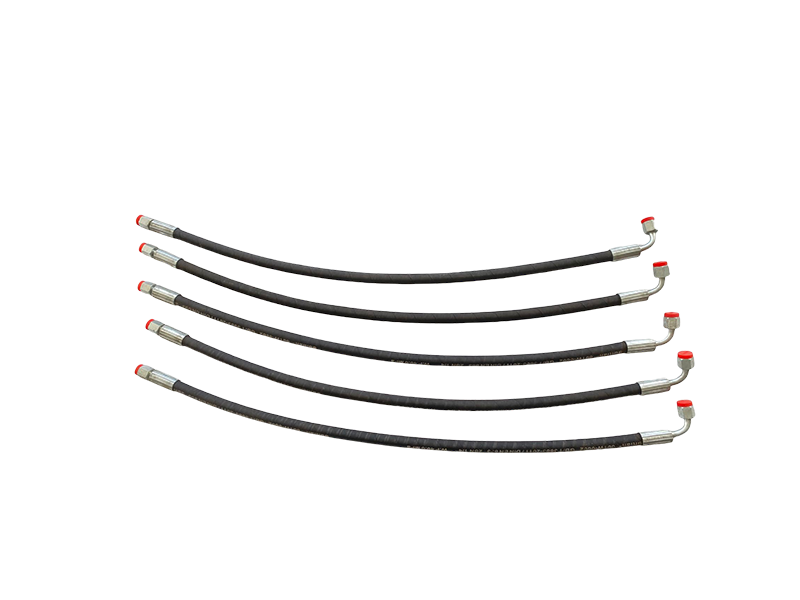
Before we dive into the significance of regular maintenance, let's gain a clear understanding of high pressure hydraulic hose pipes. These specialized pipes are designed to withstand high levels of pressure and deliver hydraulic fluid to different components within a hydraulic system. They are typically made of multiple layers of synthetic rubber or thermoplastic material, reinforced with sturdy materials such as steel or textile braids.
High pressure hydraulic hose pipes are specifically engineered to withstand extreme pressure levels, ensuring reliable and efficient transmission of hydraulic power. They are capable of handling pressures ranging from hundreds to thousands of pounds per square inch (psi). The ability to maintain their structural integrity under high pressure is crucial for the overall functionality of hydraulic systems.
Another notable characteristic of high pressure hydraulic hose pipes is their versatility. These pipes are available in various sizes, lengths, and configurations, allowing them to adapt to different hydraulic applications. From heavy machinery to industrial equipment, hydraulic hose pipes are widely used across diverse industries.
Regular maintenance is vital for high pressure hydraulic hose pipes to ensure their optimal performance and longevity. By incorporating a routine maintenance schedule, you can prevent potential issues and downtime that may arise if neglected. Let's explore some key reasons why regular maintenance is crucial:
Regular maintenance of hydraulic hose pipes helps ensure a safe working environment. Over time, these pipes can develop wear and tear, leading to potential leaks or bursts. By adhering to maintenance practices, you can identify and address any signs of damage or degradation promptly, reducing the risk of accidents and injuries.
Proper maintenance significantly extends the lifespan of high pressure hydraulic hose pipes. By regularly inspecting, cleaning, and replacing worn-out components, you can prevent premature failure and prolong the life of your hydraulic hose pipes. This not only saves costs on frequent replacements but also improves the overall efficiency of hydraulic systems.
Regular maintenance plays a crucial role in maintaining the performance of hydraulic hose pipes. Over time, dirt, debris, and contaminants can accumulate within the pipes, affecting fluid flow and overall system efficiency. By cleaning and flushing the pipes regularly, you can optimize their performance and ensure smooth hydraulic power transmission.
Neglecting regular maintenance for high pressure hydraulic hose pipes can lead to various risks and consequences. Understanding these risks highlights the importance of incorporating maintenance practices into your operational strategies. Here are some potential risks associated with neglecting maintenance:
Failure to perform regular maintenance may result in unexpected breakdowns and increased downtime. A damaged or faulty hydraulic hose pipe can disrupt the entire hydraulic system, halting operations and causing significant productivity losses. By neglecting maintenance, you risk facing costly downtime that could have been avoided through proactive maintenance measures.
Neglecting maintenance can lead to more frequent repairs and higher associated costs. Ignoring signs of wear and tear or fluid leaks can exacerbate the damage, requiring extensive repair work or even complete replacement of the hydraulic hose pipes. Regular maintenance helps identify potential issues early on, allowing for timely repairs and minimizing repair expenses.
The safety of personnel and equipment can be compromised when maintenance is neglected. Damaged hydraulic hose pipes pose a significant safety risk, as they can rupture under high pressure, resulting in fluid leaks or even explosions. By prioritizing regular maintenance, you prioritize the safety of your workforce and protect valuable machinery from potential damage.
To ensure the longevity and optimal performance of your high pressure hydraulic hose pipes, consider the following expert tips for maintenance:
Regularly inspect your hydraulic hose pipes for signs of wear, damage, or leaks. Look for any bulges, cracks, or abrasions on the surface of the pipes. Additionally, inspect the fittings and connectors for any loose or damaged components. Swiftly address any identified issues to prevent further damage.
Clean the exterior of the hydraulic hose pipes to remove dirt, debris, and contaminants that can affect their performance. Flush the pipes periodically to ensure the hydraulic fluid remains clean and free from impurities. Consult the manufacturer's guidelines for recommended cleaning agents and procedures.
If you notice any signs of damage or degradation during inspections, replace the damaged components immediately. This includes worn-out fittings, connectors, or seals. Use high-quality replacement parts to ensure the integrity of the hydraulic hose pipes.
Ensure that your personnel are well-informed about the importance of regular maintenance and trained in proper maintenance practices. Provide them with guidelines and procedures for inspection, cleaning, and replacement of hydraulic hose pipes. Regular training sessions can help prevent maintenance-related errors and promote a culture of safety.
Regular maintenance is paramount for high pressure hydraulic hose pipes to ensure their optimal performance, extend their lifespan, and maintain a safe working environment. Neglecting maintenance can lead to increased downtime, higher repair costs, and compromised safety. By implementing routine inspections, cleaning, and timely replacements, you can maximize the efficiency of your hydraulic systems and avoid unnecessary risks. Prioritize regular maintenance practices to keep your high pressure hydraulic hose pipes in top condition and maintain uninterrupted operations.
1. Introduction
2. Understanding High Pressure Hydraulic Hose Pipes
3. The Significance of Regular Maintenance
4. Potential Risks of Neglecting Maintenance
5. Expert Tips for Maintaining Hydraulic Hose Pipes
6. Frequently Asked Questions (FAQs)
7. Conclusion
1. Introduction
High pressure hydraulic hose pipes play a crucial role in various industries, including the industrial equipment and components sector. These essential components are responsible for transmitting hydraulic power and fluid within machinery and systems. However, ensuring the optimal performance and longevity of these hydraulic hose pipes requires regular maintenance. In this article, we will delve into the importance of regular maintenance for high pressure hydraulic hose pipes and provide valuable insights for maintaining their efficiency.
2. Understanding High Pressure Hydraulic Hose Pipes
Before we dive into the significance of regular maintenance, let's gain a clear understanding of high pressure hydraulic hose pipes. These specialized pipes are designed to withstand high levels of pressure and deliver hydraulic fluid to different components within a hydraulic system. They are typically made of multiple layers of synthetic rubber or thermoplastic material, reinforced with sturdy materials such as steel or textile braids.
2.1 High Pressure Performance
High pressure hydraulic hose pipes are specifically engineered to withstand extreme pressure levels, ensuring reliable and efficient transmission of hydraulic power. They are capable of handling pressures ranging from hundreds to thousands of pounds per square inch (psi). The ability to maintain their structural integrity under high pressure is crucial for the overall functionality of hydraulic systems.
2.2 Versatility
Another notable characteristic of high pressure hydraulic hose pipes is their versatility. These pipes are available in various sizes, lengths, and configurations, allowing them to adapt to different hydraulic applications. From heavy machinery to industrial equipment, hydraulic hose pipes are widely used across diverse industries.
3. The Significance of Regular Maintenance
Regular maintenance is vital for high pressure hydraulic hose pipes to ensure their optimal performance and longevity. By incorporating a routine maintenance schedule, you can prevent potential issues and downtime that may arise if neglected. Let's explore some key reasons why regular maintenance is crucial:
3.1 Ensuring Safety
Regular maintenance of hydraulic hose pipes helps ensure a safe working environment. Over time, these pipes can develop wear and tear, leading to potential leaks or bursts. By adhering to maintenance practices, you can identify and address any signs of damage or degradation promptly, reducing the risk of accidents and injuries.
3.2 Extending Lifespan
Proper maintenance significantly extends the lifespan of high pressure hydraulic hose pipes. By regularly inspecting, cleaning, and replacing worn-out components, you can prevent premature failure and prolong the life of your hydraulic hose pipes. This not only saves costs on frequent replacements but also improves the overall efficiency of hydraulic systems.
3.3 Enhancing Performance
Regular maintenance plays a crucial role in maintaining the performance of hydraulic hose pipes. Over time, dirt, debris, and contaminants can accumulate within the pipes, affecting fluid flow and overall system efficiency. By cleaning and flushing the pipes regularly, you can optimize their performance and ensure smooth hydraulic power transmission.
4. Potential Risks of Neglecting Maintenance
Neglecting regular maintenance for high pressure hydraulic hose pipes can lead to various risks and consequences. Understanding these risks highlights the importance of incorporating maintenance practices into your operational strategies. Here are some potential risks associated with neglecting maintenance:
4.1 Increased Downtime
Failure to perform regular maintenance may result in unexpected breakdowns and increased downtime. A damaged or faulty hydraulic hose pipe can disrupt the entire hydraulic system, halting operations and causing significant productivity losses. By neglecting maintenance, you risk facing costly downtime that could have been avoided through proactive maintenance measures.
4.2 Higher Repair Costs
Neglecting maintenance can lead to more frequent repairs and higher associated costs. Ignoring signs of wear and tear or fluid leaks can exacerbate the damage, requiring extensive repair work or even complete replacement of the hydraulic hose pipes. Regular maintenance helps identify potential issues early on, allowing for timely repairs and minimizing repair expenses.
4.3 Compromised Safety
The safety of personnel and equipment can be compromised when maintenance is neglected. Damaged hydraulic hose pipes pose a significant safety risk, as they can rupture under high pressure, resulting in fluid leaks or even explosions. By prioritizing regular maintenance, you prioritize the safety of your workforce and protect valuable machinery from potential damage.
5. Expert Tips for Maintaining Hydraulic Hose Pipes
To ensure the longevity and optimal performance of your high pressure hydraulic hose pipes, consider the following expert tips for maintenance:
5.1 Implement Regular Inspections
Regularly inspect your hydraulic hose pipes for signs of wear, damage, or leaks. Look for any bulges, cracks, or abrasions on the surface of the pipes. Additionally, inspect the fittings and connectors for any loose or damaged components. Swiftly address any identified issues to prevent further damage.
5.2 Clean and Flush Regularly
Clean the exterior of the hydraulic hose pipes to remove dirt, debris, and contaminants that can affect their performance. Flush the pipes periodically to ensure the hydraulic fluid remains clean and free from impurities. Consult the manufacturer's guidelines for recommended cleaning agents and procedures.
5.3 Replace Damaged Components
If you notice any signs of damage or degradation during inspections, replace the damaged components immediately. This includes worn-out fittings, connectors, or seals. Use high-quality replacement parts to ensure the integrity of the hydraulic hose pipes.
5.4 Educate and Train Personnel
Ensure that your personnel are well-informed about the importance of regular maintenance and trained in proper maintenance practices. Provide them with guidelines and procedures for inspection, cleaning, and replacement of hydraulic hose pipes. Regular training sessions can help prevent maintenance-related errors and promote a culture of safety.
6. Frequently Asked Questions (FAQs)
Q1: How often should I perform maintenance on high pressure hydraulic hose pipes?
Q2: Can I use any cleaning agents for hydraulic hose pipe maintenance?
Q3: What are the common warning signs of a damaged hydraulic hose pipe?
Q4: Are there specific safety precautions to consider during maintenance procedures?
Q5: Can I repair a damaged hydraulic hose pipe instead of replacing it?
7. Conclusion
Regular maintenance is paramount for high pressure hydraulic hose pipes to ensure their optimal performance, extend their lifespan, and maintain a safe working environment. Neglecting maintenance can lead to increased downtime, higher repair costs, and compromised safety. By implementing routine inspections, cleaning, and timely replacements, you can maximize the efficiency of your hydraulic systems and avoid unnecessary risks. Prioritize regular maintenance practices to keep your high pressure hydraulic hose pipes in top condition and maintain uninterrupted operations.
关键词
High Pressure Oil Pipe
High Pressure Hard Pipe
High Pressure Hydraulic Hose
Hotline
Add: Changfa Industrial Park, Lijia Town, Wujin District, Changzhou City
Fax: 86-519-8969086
language
English
العربية
বাংলাদেশ
Български
Hrvatski
Česky
Dansk
Nederland
 Esperanto
Slovenski
Filipino
Suomi
Français
Maori
 Shqiptare
Georgian
 Euskara
Deutsch
Ελλάδα
ישראל
इंडिया
Magyarország
Ísland
Indonesia
Irlanda
Italia
日本語
Sovensko
Հայաստան
한국
Kyrgyz
ປະເທດລາວ
 Zulu
Zulu
Latvian
Lithuanian
Luxembourgish
 Latinus
Macedonian
Малайская
Maltese
Монгол улс
 Cymraeg
ဗမာ
 தமிழ்
தமிழ்
नेपाल
Norge
ایران
Polska
Portugal
România
Российская
Србија
 Slovak
Србија
 Slovak
Bosanski
Slovenian
Беларус
España
Sverige
Точик
ประเทศไทย
Türk
Azərbaycan
Uzbek
 Afrikaans
Việt Nam
Follow Us

Copyright©2022 Changzhou Guande Machinery Co., Ltd Powered by www.300.cn
Copyright©2022 Changzhou Guande Machinery Co., Ltd
This website already supports IPV6 | SEO | Cloud information