


news center
Troubleshooting Guide: Dealing with Leaks in High Pressure Oil Hoses
2023-11-11
Table of Contents:
1. Introduction
2. Understanding High Pressure Oil Hoses
3. Common Causes of Leaks
4. Identifying Leaks in High Pressure Oil Hoses
5. Troubleshooting Steps to Fix Leaks
6. Frequently Asked Questions (FAQs)
7. Conclusion
1. Introduction
Welcome to our troubleshooting guide for dealing with leaks in high pressure oil hoses. In this article, we will provide you with a step-by-step approach to identify and fix leaks in order to maintain the functionality and efficiency of your oil hoses.
2. Understanding High Pressure Oil Hoses
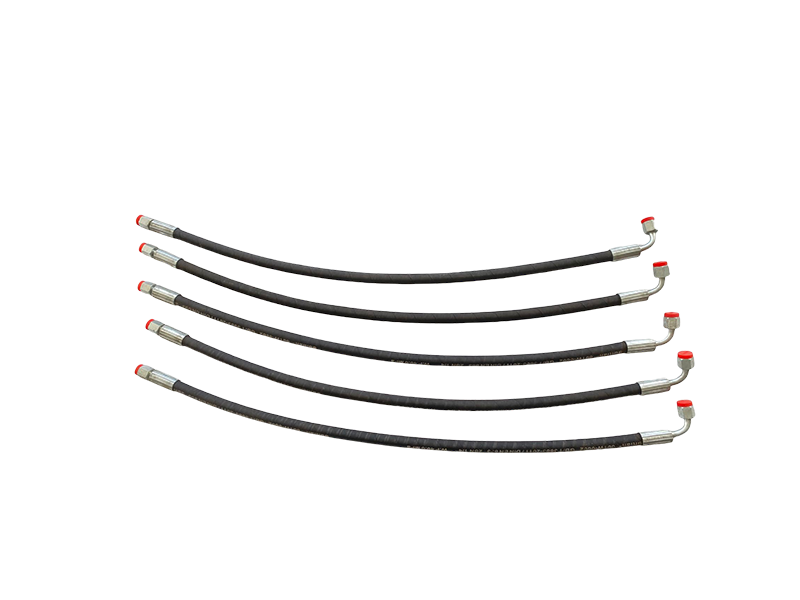
Before we dive into troubleshooting, it's essential to understand what high pressure oil hoses are and their significance. High pressure oil hoses are crucial components in hydraulic systems, transferring pressurized oil between various parts. They are commonly used in industries such as construction, automotive, and manufacturing.
3. Common Causes of Leaks
Leaking oil hoses can lead to both financial losses and safety hazards. Understanding the common causes of leaks can help you prevent them from occurring. Some typical causes include:
- Wear and Tear: Over time, oil hoses can deteriorate due to constant exposure to high pressure and harsh environmental conditions.
- Improper Installation: Incorrect installation, such as using incorrect fittings or clamps, can result in leaks.
- Age and Degradation: As oil hoses age, their materials may degrade, leading to cracks or punctures.
- Excessive Pressure: Operating hydraulic systems beyond their recommended pressure limits can cause oil hoses to leak.
- Abrasion and Friction: Contact with sharp objects or surfaces can cause abrasion and eventually lead to leaks.
- Chemical Degradation: Exposure to chemicals or oil with incompatible properties can deteriorate the hose material, causing leaks.
4. Identifying Leaks in High Pressure Oil Hoses
Identifying leaks in high pressure oil hoses is crucial for prompt troubleshooting. Here are some signs to look out for:
- Visual Inspection: Examine the hose for visible signs of leaks, such as oil stains, drips, or wet areas.
- Pressure Drop: Monitor the hydraulic system's pressure gauge for sudden drops, indicating a leak.
- Audible Sounds: Leaking oil hoses may produce hissing or gurgling sounds due to the escaping oil.
- Temperature Changes: Leaks can result in temperature changes in the hydraulic system, such as increased heat or reduced cooling.
5. Troubleshooting Steps to Fix Leaks
Follow these step-by-step troubleshooting steps to fix leaks in high pressure oil hoses:
Step 1: Safety First
Ensure the hydraulic system is turned off and depressurized before starting any troubleshooting or repair work. Safety goggles and gloves are recommended.
Step 2: Identify the Leak Location
Thoroughly inspect the oil hose and surrounding components to pinpoint the exact location of the leak. Clean the area to ensure better visibility.
Step 3: Assess the Severity of the Leak
Depending on the severity of the leak, you may need to decide whether to repair or replace the hose. Minor leaks can often be fixed with appropriate repair solutions.
Step 4: Repair or Replace
If the leak is minor, use a suitable sealant or tape designed for hydraulic systems to seal the leak temporarily. However, keep in mind that this is not a long-term solution.
If the leak is severe or beyond repair, replace the damaged section of the oil hose with a new one. Follow the manufacturer's instructions for proper installation.
Step 5: Test the Repaired Hose
After fixing the leak, slowly pressurize the hydraulic system and monitor for any signs of leaks. Ensure that the repaired or replaced hose functions correctly.
6. Frequently Asked Questions (FAQs)
Q1: Can I use regular tape to fix a leak in a high pressure oil hose?
Q2: How often should I inspect my high pressure oil hoses for leaks?
Q3: Are there any preventive measures to reduce the likelihood of leaks?
Q4: What are the consequences of ignoring a leak in a high pressure oil hose?
Q5: Can I repair a high pressure oil hose myself, or should I seek professional help?
7. Conclusion
By following the troubleshooting guide provided in this article, you can effectively address leaks in high pressure oil hoses. Regular inspections and prompt repair work are essential to prevent further damage and ensure the optimal performance of your hydraulic system. Remember to prioritize safety and consult professionals when necessary.
1. Introduction
2. Understanding High Pressure Oil Hoses
3. Common Causes of Leaks
4. Identifying Leaks in High Pressure Oil Hoses
5. Troubleshooting Steps to Fix Leaks
6. Frequently Asked Questions (FAQs)
7. Conclusion
1. Introduction
Welcome to our troubleshooting guide for dealing with leaks in high pressure oil hoses. In this article, we will provide you with a step-by-step approach to identify and fix leaks in order to maintain the functionality and efficiency of your oil hoses.
2. Understanding High Pressure Oil Hoses
Before we dive into troubleshooting, it's essential to understand what high pressure oil hoses are and their significance. High pressure oil hoses are crucial components in hydraulic systems, transferring pressurized oil between various parts. They are commonly used in industries such as construction, automotive, and manufacturing.
3. Common Causes of Leaks
Leaking oil hoses can lead to both financial losses and safety hazards. Understanding the common causes of leaks can help you prevent them from occurring. Some typical causes include:
- Wear and Tear: Over time, oil hoses can deteriorate due to constant exposure to high pressure and harsh environmental conditions.
- Improper Installation: Incorrect installation, such as using incorrect fittings or clamps, can result in leaks.
- Age and Degradation: As oil hoses age, their materials may degrade, leading to cracks or punctures.
- Excessive Pressure: Operating hydraulic systems beyond their recommended pressure limits can cause oil hoses to leak.
- Abrasion and Friction: Contact with sharp objects or surfaces can cause abrasion and eventually lead to leaks.
- Chemical Degradation: Exposure to chemicals or oil with incompatible properties can deteriorate the hose material, causing leaks.
4. Identifying Leaks in High Pressure Oil Hoses
Identifying leaks in high pressure oil hoses is crucial for prompt troubleshooting. Here are some signs to look out for:
- Visual Inspection: Examine the hose for visible signs of leaks, such as oil stains, drips, or wet areas.
- Pressure Drop: Monitor the hydraulic system's pressure gauge for sudden drops, indicating a leak.
- Audible Sounds: Leaking oil hoses may produce hissing or gurgling sounds due to the escaping oil.
- Temperature Changes: Leaks can result in temperature changes in the hydraulic system, such as increased heat or reduced cooling.
5. Troubleshooting Steps to Fix Leaks
Follow these step-by-step troubleshooting steps to fix leaks in high pressure oil hoses:
Step 1: Safety First
Ensure the hydraulic system is turned off and depressurized before starting any troubleshooting or repair work. Safety goggles and gloves are recommended.
Step 2: Identify the Leak Location
Thoroughly inspect the oil hose and surrounding components to pinpoint the exact location of the leak. Clean the area to ensure better visibility.
Step 3: Assess the Severity of the Leak
Depending on the severity of the leak, you may need to decide whether to repair or replace the hose. Minor leaks can often be fixed with appropriate repair solutions.
Step 4: Repair or Replace
If the leak is minor, use a suitable sealant or tape designed for hydraulic systems to seal the leak temporarily. However, keep in mind that this is not a long-term solution.
If the leak is severe or beyond repair, replace the damaged section of the oil hose with a new one. Follow the manufacturer's instructions for proper installation.
Step 5: Test the Repaired Hose
After fixing the leak, slowly pressurize the hydraulic system and monitor for any signs of leaks. Ensure that the repaired or replaced hose functions correctly.
6. Frequently Asked Questions (FAQs)
Q1: Can I use regular tape to fix a leak in a high pressure oil hose?
Q2: How often should I inspect my high pressure oil hoses for leaks?
Q3: Are there any preventive measures to reduce the likelihood of leaks?
Q4: What are the consequences of ignoring a leak in a high pressure oil hose?
Q5: Can I repair a high pressure oil hose myself, or should I seek professional help?
7. Conclusion
By following the troubleshooting guide provided in this article, you can effectively address leaks in high pressure oil hoses. Regular inspections and prompt repair work are essential to prevent further damage and ensure the optimal performance of your hydraulic system. Remember to prioritize safety and consult professionals when necessary.
关键词
High Pressure Oil Pipe
High Pressure Hard Pipe
High Pressure Hydraulic Hose
Hotline
Add: Changfa Industrial Park, Lijia Town, Wujin District, Changzhou City
Fax: 86-519-8969086
language
English
العربية
বাংলাদেশ
Български
Hrvatski
Česky
Dansk
Nederland
 Esperanto
Slovenski
Filipino
Suomi
Français
Maori
 Shqiptare
Georgian
 Euskara
Deutsch
Ελλάδα
ישראל
इंडिया
Magyarország
Ísland
Indonesia
Irlanda
Italia
日本語
Sovensko
Հայաստան
한국
Kyrgyz
ປະເທດລາວ
 Zulu
Zulu
Latvian
Lithuanian
Luxembourgish
 Latinus
Macedonian
Малайская
Maltese
Монгол улс
 Cymraeg
ဗမာ
 தமிழ்
தமிழ்
नेपाल
Norge
ایران
Polska
Portugal
România
Российская
Србија
 Slovak
Србија
 Slovak
Bosanski
Slovenian
Беларус
España
Sverige
Точик
ประเทศไทย
Türk
Azərbaycan
Uzbek
 Afrikaans
Việt Nam
Follow Us

Copyright©2022 Changzhou Guande Machinery Co., Ltd Powered by www.300.cn
Copyright©2022 Changzhou Guande Machinery Co., Ltd
This website already supports IPV6 | SEO | Cloud information