


news center
The Pros and Cons of Different Materials Used in High Pressure Fuel Line Hose: Exploring the Best Options for Efficiency and Safety
2023-09-01
**Table of Contents**
1. Introduction
2. Understanding High Pressure Fuel Line Hose
3. Pros and Cons of Rubber
4. Pros and Cons of Stainless Steel
5. Pros and Cons of Nylon
6. Pros and Cons of Teflon
7. FAQs (Frequently Asked Questions)
8. Conclusion
## Introduction
High-pressure fuel line hoses play a crucial role in the efficient and safe transportation of fuel in various industries. The choice of material for these hoses can significantly impact their performance, durability, and overall safety. In this article, we will explore the pros and cons of different materials commonly used in high-pressure fuel line hoses.
## Understanding High Pressure Fuel Line Hose
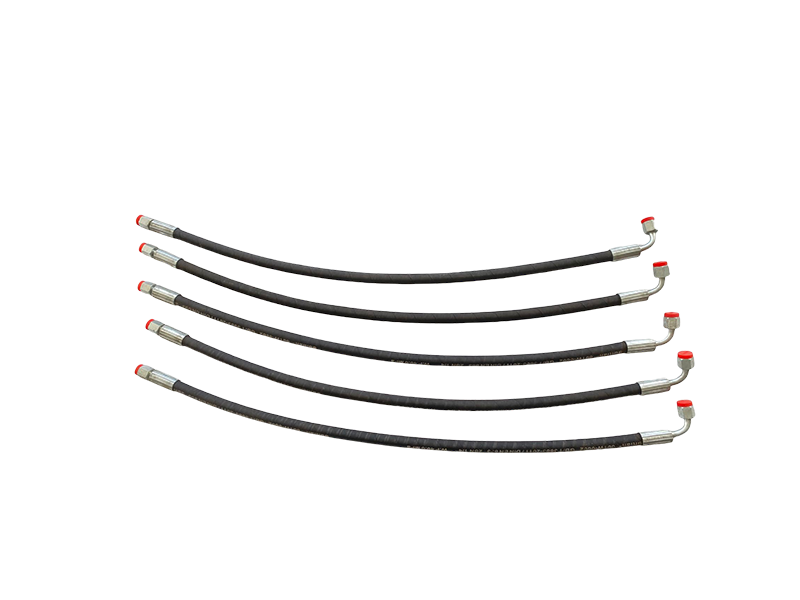
High-pressure fuel line hoses are designed to withstand the extreme conditions of fuel transportation systems, including high pressure, temperature, and exposure to various chemicals. These hoses are responsible for carrying fuel from the tank to the engine while maintaining a steady flow and preventing leaks.
To ensure optimal performance and safety, it is essential to select the right material for high-pressure fuel line hoses. Let's delve into the pros and cons of some popular options:
## Pros and Cons of Rubber
**Pros:**
- Excellent flexibility, allowing easy installation and maneuverability.
- Good resistance to wear and tear, ensuring long-lasting durability.
- High resistance to vibration and noise.
- Affordability compared to other materials.
**Cons:**
- Susceptible to degradation when exposed to certain chemicals.
- Limited resistance to high temperatures.
- Prone to expansion and contraction under extreme conditions, potentially causing leaks.
## Pros and Cons of Stainless Steel
**Pros:**
- Exceptional strength and durability, ideal for high-pressure applications.
- Excellent resistance against corrosion, making it suitable for harsh environments.
- High resistance to heat, ensuring optimal performance under extreme temperatures.
- Minimal expansion and contraction, reducing the risk of leaks.
**Cons:**
- Relatively higher cost compared to other materials.
- Less flexibility, making installation and maneuverability more challenging.
- Conductivity may lead to potential electrical hazards.
## Pros and Cons of Nylon
**Pros:**
- Lightweight and flexible, allowing easy installation and routing.
- High resistance to chemicals and corrosion.
- Excellent durability and resistance to wear and tear.
- Cost-effective option compared to some alternatives.
**Cons:**
- Limited resistance to high temperatures.
- May deteriorate over time when exposed to ultraviolet (UV) rays.
- Prone to moisture absorption, which can affect performance.
## Pros and Cons of Teflon
**Pros:**
- Exceptional resistance to chemicals, including fuels and solvents.
- High resistance to temperature, even under extreme conditions.
- Excellent lubricity, reducing friction and enhancing fuel flow.
- Minimal expansion and contraction, ensuring a tight seal.
**Cons:**
- Relatively higher cost compared to other materials.
- Limited flexibility, requiring careful installation to prevent kinks and bends.
- Conductivity may lead to potential electrical hazards.
## FAQs (Frequently Asked Questions)
**Q1: Which material is the best for high-pressure fuel line hoses?**
- There is no one-size-fits-all answer to this question. The ideal material depends on various factors like the specific application, budget, and environmental conditions. Rubber, stainless steel, nylon, and Teflon are all viable options, each with its own set of advantages and disadvantages.
**Q2: How do I determine the appropriate material for my high-pressure fuel line hose?**
- Consider factors such as the working pressure, temperature range, chemical compatibility, and environmental conditions. Consult with industry experts or manufacturers for guidance tailored to your specific requirements.
**Q3: Can I use a combination of materials in my high-pressure fuel line hose?**
- In some cases, combining different materials can enhance performance and durability. However, it is crucial to ensure compatibility and consult with experts to avoid potential issues.
**Q4: How often should I replace high-pressure fuel line hoses?**
- Regular inspection is essential to identify signs of wear, such as cracks, leaks, or degradation. The replacement schedule depends on usage, maintenance, and the specific material used. Consult with manufacturers or industry guidelines for recommended intervals.
**Q5: Are there any safety precautions to consider when working with high-pressure fuel line hoses?**
- Always follow proper installation procedures, wear appropriate personal protective equipment, and adhere to industry safety guidelines. Regularly inspect hoses for signs of damage, and promptly address any issues to prevent accidents or fuel leakage.
## Conclusion
Choosing the right material for high-pressure fuel line hoses is crucial for optimizing performance, durability, and safety. Rubber, stainless steel, nylon, and Teflon are all viable options, each with its own set of advantages and disadvantages. By understanding the pros and cons of these materials, you can make an informed decision that aligns with your specific application requirements. Remember to consult industry experts or manufacturers for tailored guidance to ensure the best possible outcome.
1. Introduction
2. Understanding High Pressure Fuel Line Hose
3. Pros and Cons of Rubber
4. Pros and Cons of Stainless Steel
5. Pros and Cons of Nylon
6. Pros and Cons of Teflon
7. FAQs (Frequently Asked Questions)
8. Conclusion
## Introduction
High-pressure fuel line hoses play a crucial role in the efficient and safe transportation of fuel in various industries. The choice of material for these hoses can significantly impact their performance, durability, and overall safety. In this article, we will explore the pros and cons of different materials commonly used in high-pressure fuel line hoses.
## Understanding High Pressure Fuel Line Hose
High-pressure fuel line hoses are designed to withstand the extreme conditions of fuel transportation systems, including high pressure, temperature, and exposure to various chemicals. These hoses are responsible for carrying fuel from the tank to the engine while maintaining a steady flow and preventing leaks.
To ensure optimal performance and safety, it is essential to select the right material for high-pressure fuel line hoses. Let's delve into the pros and cons of some popular options:
## Pros and Cons of Rubber
**Pros:**
- Excellent flexibility, allowing easy installation and maneuverability.
- Good resistance to wear and tear, ensuring long-lasting durability.
- High resistance to vibration and noise.
- Affordability compared to other materials.
**Cons:**
- Susceptible to degradation when exposed to certain chemicals.
- Limited resistance to high temperatures.
- Prone to expansion and contraction under extreme conditions, potentially causing leaks.
## Pros and Cons of Stainless Steel
**Pros:**
- Exceptional strength and durability, ideal for high-pressure applications.
- Excellent resistance against corrosion, making it suitable for harsh environments.
- High resistance to heat, ensuring optimal performance under extreme temperatures.
- Minimal expansion and contraction, reducing the risk of leaks.
**Cons:**
- Relatively higher cost compared to other materials.
- Less flexibility, making installation and maneuverability more challenging.
- Conductivity may lead to potential electrical hazards.
## Pros and Cons of Nylon
**Pros:**
- Lightweight and flexible, allowing easy installation and routing.
- High resistance to chemicals and corrosion.
- Excellent durability and resistance to wear and tear.
- Cost-effective option compared to some alternatives.
**Cons:**
- Limited resistance to high temperatures.
- May deteriorate over time when exposed to ultraviolet (UV) rays.
- Prone to moisture absorption, which can affect performance.
## Pros and Cons of Teflon
**Pros:**
- Exceptional resistance to chemicals, including fuels and solvents.
- High resistance to temperature, even under extreme conditions.
- Excellent lubricity, reducing friction and enhancing fuel flow.
- Minimal expansion and contraction, ensuring a tight seal.
**Cons:**
- Relatively higher cost compared to other materials.
- Limited flexibility, requiring careful installation to prevent kinks and bends.
- Conductivity may lead to potential electrical hazards.
## FAQs (Frequently Asked Questions)
**Q1: Which material is the best for high-pressure fuel line hoses?**
- There is no one-size-fits-all answer to this question. The ideal material depends on various factors like the specific application, budget, and environmental conditions. Rubber, stainless steel, nylon, and Teflon are all viable options, each with its own set of advantages and disadvantages.
**Q2: How do I determine the appropriate material for my high-pressure fuel line hose?**
- Consider factors such as the working pressure, temperature range, chemical compatibility, and environmental conditions. Consult with industry experts or manufacturers for guidance tailored to your specific requirements.
**Q3: Can I use a combination of materials in my high-pressure fuel line hose?**
- In some cases, combining different materials can enhance performance and durability. However, it is crucial to ensure compatibility and consult with experts to avoid potential issues.
**Q4: How often should I replace high-pressure fuel line hoses?**
- Regular inspection is essential to identify signs of wear, such as cracks, leaks, or degradation. The replacement schedule depends on usage, maintenance, and the specific material used. Consult with manufacturers or industry guidelines for recommended intervals.
**Q5: Are there any safety precautions to consider when working with high-pressure fuel line hoses?**
- Always follow proper installation procedures, wear appropriate personal protective equipment, and adhere to industry safety guidelines. Regularly inspect hoses for signs of damage, and promptly address any issues to prevent accidents or fuel leakage.
## Conclusion
Choosing the right material for high-pressure fuel line hoses is crucial for optimizing performance, durability, and safety. Rubber, stainless steel, nylon, and Teflon are all viable options, each with its own set of advantages and disadvantages. By understanding the pros and cons of these materials, you can make an informed decision that aligns with your specific application requirements. Remember to consult industry experts or manufacturers for tailored guidance to ensure the best possible outcome.
关键词
High Pressure Oil Pipe
High Pressure Hard Pipe
High Pressure Hydraulic Hose
Hotline
Add: Changfa Industrial Park, Lijia Town, Wujin District, Changzhou City
Fax: 86-519-8969086
language
English
العربية
বাংলাদেশ
Български
Hrvatski
Česky
Dansk
Nederland
 Esperanto
Slovenski
Filipino
Suomi
Français
Maori
 Shqiptare
Georgian
 Euskara
Deutsch
Ελλάδα
ישראל
इंडिया
Magyarország
Ísland
Indonesia
Irlanda
Italia
日本語
Sovensko
Հայաստան
한국
Kyrgyz
ປະເທດລາວ
 Zulu
Zulu
Latvian
Lithuanian
Luxembourgish
 Latinus
Macedonian
Малайская
Maltese
Монгол улс
 Cymraeg
ဗမာ
 தமிழ்
தமிழ்
नेपाल
Norge
ایران
Polska
Portugal
România
Российская
Србија
 Slovak
Србија
 Slovak
Bosanski
Slovenian
Беларус
España
Sverige
Точик
ประเทศไทย
Türk
Azərbaycan
Uzbek
 Afrikaans
Việt Nam
Follow Us

Copyright©2022 Changzhou Guande Machinery Co., Ltd Powered by www.300.cn
Copyright©2022 Changzhou Guande Machinery Co., Ltd
This website already supports IPV6 | SEO | Cloud information