


news center
The Ultimate Guide to Choosing High Pressure Rubber Hose Pipes
2023-08-21
Table of Contents:
1. Introduction
2. Types of High Pressure Rubber Hose Pipes
3. Understanding Pressure Ratings and Compatibility
4. Durability and Flexibility: Key Considerations
5. Size and Length: Finding the Right Fit
6. Reinforcement and Construction: Enhancing Strength and Performance
7. Temperature and Chemical Resistance: Ensuring Safety and Reliability
8. Choosing the Right End Connections
9. Installation and Maintenance Tips
10. Frequently Asked Questions (FAQs)
11. Conclusion
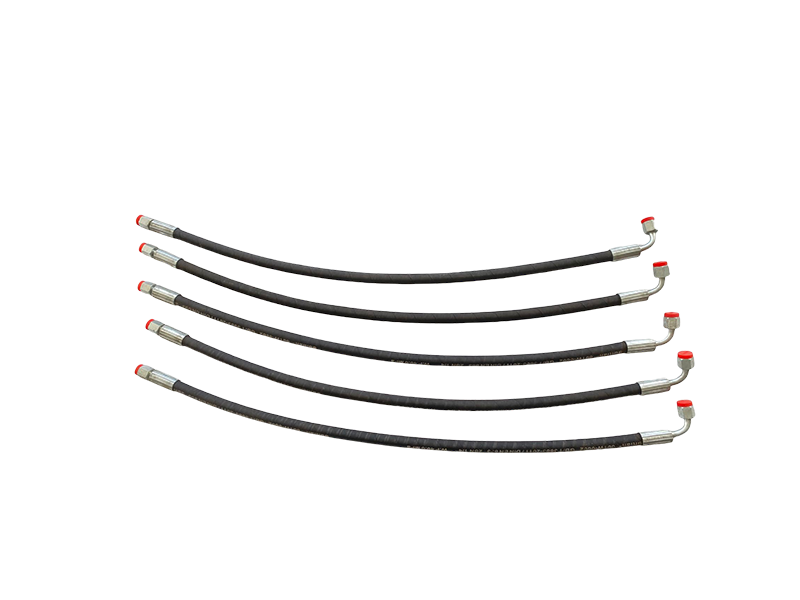
When it comes to high pressure applications, selecting the right rubber hose pipes is crucial. These pipes play a vital role in ensuring the safe and efficient transfer of fluids in various industries, including manufacturing, construction, automotive, and more. In this ultimate guide, we will delve into the key factors you should consider to make an informed decision and choose the high pressure rubber hose pipes that best suit your requirements.
There are several types of high pressure rubber hose pipes available in the market. The two most common types are hydraulic hoses and industrial hoses. Hydraulic hoses are designed specifically for use in hydraulic systems, while industrial hoses are versatile and used in a wide range of applications. It is important to understand the differences between these types and choose the one that aligns with your specific needs.
Hydraulic hoses are specifically designed to withstand high-pressure fluid transfer in hydraulic systems. They are made from synthetic rubber or thermoplastic materials and are reinforced with layers of braided or spiral-wound wire. Hydraulic hoses come in different sizes and pressure ratings, making it essential to select the right one based on your system's requirements.
Industrial hoses are suitable for a wide range of applications, including air, water, oil, chemical, and material handling. They are designed to handle relatively lower pressure compared to hydraulic hoses but offer excellent flexibility and durability. Industrial hoses are available in various types, such as air hoses, water hoses, oil hoses, and more. Understanding your specific application will help you choose the most appropriate industrial hose.
Pressure ratings indicate the maximum working pressure a rubber hose pipe can handle. It is crucial to choose a hose pipe with a pressure rating that exceeds the maximum working pressure of your system to ensure safety and prevent potential leaks or bursts. Additionally, consider the compatibility of the hose with the fluid it will be carrying. Not all rubber hose pipes are suitable for every type of fluid, so check the compatibility charts provided by manufacturers.
Durability and flexibility are essential factors to consider when choosing high pressure rubber hose pipes. The hose should be able to withstand the rigors of your application without compromising its structural integrity. Look for hoses that are resistant to abrasion, weather, and chemicals. Flexibility is also crucial to ensure easy installation and maneuverability, especially in tight spaces or complex systems.
Selecting the correct size and length of the rubber hose pipe is crucial for optimal performance. The inner diameter of the hose should match the flow requirements of your system. Using a hose with an inadequate diameter can lead to pressure loss and reduced efficiency. Similarly, consider the required length to ensure proper reach without excessive slack or tension.
The reinforcement and construction of high pressure rubber hose pipes play a vital role in their strength and overall performance. Reinforcement layers, such as braids or spirals, provide added strength and help withstand high pressures. Additionally, consider the number of reinforcement layers and the materials used. High-quality hose pipes often feature multiple layers of reinforcement for enhanced durability and performance.
Temperature and chemical resistance are critical factors to consider when choosing high pressure rubber hose pipes. The hose should be able to withstand the temperature range of your application without deteriorating or losing its flexibility. Chemical compatibility is also crucial to ensure that the hose can handle the specific fluids without degradation or contamination.
Selecting the appropriate end connections for your high pressure rubber hose pipes is essential to ensure a secure and leak-free connection. Common end connection options include threaded fittings, quick-connect couplings, and flanges. Consider the compatibility of the end connections with your system components to avoid any compatibility issues.
Proper installation and regular maintenance are essential to ensure the longevity and optimal performance of your high pressure rubber hose pipes. Follow the manufacturer's guidelines for installation, including proper tightening of connections and avoiding sharp bends or kinks. Regularly inspect the hoses for any signs of wear, damage, or leaks and replace them as necessary. Proper storage when not in use also contributes to the longevity of the hoses.
To determine the appropriate pressure rating, consider the maximum working pressure of your system and choose a rubber hose pipe with a higher pressure rating than that.
Yes, high pressure rubber hose pipes can be used for both liquids and gases, depending on their compatibility with the specific fluid or gas.
The replacement frequency depends on factors such as usage, environmental conditions, and maintenance. Regularly inspect the hoses for signs of wear, damage, or leaks and replace them as necessary.
In some cases, high pressure rubber hose pipes can be repaired. However, it is generally recommended to replace damaged or worn-out hoses for optimal safety and performance.
Not all high pressure rubber hose pipes are equally flexible. It depends on factors such as the materials used and the reinforcement layers. Consider the flexibility requirements of your application when selecting a hose pipe.
Choosing the right high pressure rubber hose pipes is crucial for the safe and efficient transfer of fluids in various applications. By considering factors such as hose type, pressure ratings, durability, flexibility, size, temperature and chemical resistance, and proper installation, you can make an informed decision and select the best hose pipes for your specific needs. Regular maintenance and periodic inspections will ensure the longevity and optimal performance of your chosen high pressure rubber hose pipes. Make sure to choose reputable manufacturers and suppliers to ensure the quality and reliability of the hose pipes you purchase.
1. Introduction
2. Types of High Pressure Rubber Hose Pipes
3. Understanding Pressure Ratings and Compatibility
4. Durability and Flexibility: Key Considerations
5. Size and Length: Finding the Right Fit
6. Reinforcement and Construction: Enhancing Strength and Performance
7. Temperature and Chemical Resistance: Ensuring Safety and Reliability
8. Choosing the Right End Connections
9. Installation and Maintenance Tips
10. Frequently Asked Questions (FAQs)
11. Conclusion
1. Introduction
When it comes to high pressure applications, selecting the right rubber hose pipes is crucial. These pipes play a vital role in ensuring the safe and efficient transfer of fluids in various industries, including manufacturing, construction, automotive, and more. In this ultimate guide, we will delve into the key factors you should consider to make an informed decision and choose the high pressure rubber hose pipes that best suit your requirements.
2. Types of High Pressure Rubber Hose Pipes
There are several types of high pressure rubber hose pipes available in the market. The two most common types are hydraulic hoses and industrial hoses. Hydraulic hoses are designed specifically for use in hydraulic systems, while industrial hoses are versatile and used in a wide range of applications. It is important to understand the differences between these types and choose the one that aligns with your specific needs.
2.1 Hydraulic Hoses
Hydraulic hoses are specifically designed to withstand high-pressure fluid transfer in hydraulic systems. They are made from synthetic rubber or thermoplastic materials and are reinforced with layers of braided or spiral-wound wire. Hydraulic hoses come in different sizes and pressure ratings, making it essential to select the right one based on your system's requirements.
2.2 Industrial Hoses
Industrial hoses are suitable for a wide range of applications, including air, water, oil, chemical, and material handling. They are designed to handle relatively lower pressure compared to hydraulic hoses but offer excellent flexibility and durability. Industrial hoses are available in various types, such as air hoses, water hoses, oil hoses, and more. Understanding your specific application will help you choose the most appropriate industrial hose.
3. Understanding Pressure Ratings and Compatibility
Pressure ratings indicate the maximum working pressure a rubber hose pipe can handle. It is crucial to choose a hose pipe with a pressure rating that exceeds the maximum working pressure of your system to ensure safety and prevent potential leaks or bursts. Additionally, consider the compatibility of the hose with the fluid it will be carrying. Not all rubber hose pipes are suitable for every type of fluid, so check the compatibility charts provided by manufacturers.
4. Durability and Flexibility: Key Considerations
Durability and flexibility are essential factors to consider when choosing high pressure rubber hose pipes. The hose should be able to withstand the rigors of your application without compromising its structural integrity. Look for hoses that are resistant to abrasion, weather, and chemicals. Flexibility is also crucial to ensure easy installation and maneuverability, especially in tight spaces or complex systems.
5. Size and Length: Finding the Right Fit
Selecting the correct size and length of the rubber hose pipe is crucial for optimal performance. The inner diameter of the hose should match the flow requirements of your system. Using a hose with an inadequate diameter can lead to pressure loss and reduced efficiency. Similarly, consider the required length to ensure proper reach without excessive slack or tension.
6. Reinforcement and Construction: Enhancing Strength and Performance
The reinforcement and construction of high pressure rubber hose pipes play a vital role in their strength and overall performance. Reinforcement layers, such as braids or spirals, provide added strength and help withstand high pressures. Additionally, consider the number of reinforcement layers and the materials used. High-quality hose pipes often feature multiple layers of reinforcement for enhanced durability and performance.
7. Temperature and Chemical Resistance: Ensuring Safety and Reliability
Temperature and chemical resistance are critical factors to consider when choosing high pressure rubber hose pipes. The hose should be able to withstand the temperature range of your application without deteriorating or losing its flexibility. Chemical compatibility is also crucial to ensure that the hose can handle the specific fluids without degradation or contamination.
8. Choosing the Right End Connections
Selecting the appropriate end connections for your high pressure rubber hose pipes is essential to ensure a secure and leak-free connection. Common end connection options include threaded fittings, quick-connect couplings, and flanges. Consider the compatibility of the end connections with your system components to avoid any compatibility issues.
9. Installation and Maintenance Tips
Proper installation and regular maintenance are essential to ensure the longevity and optimal performance of your high pressure rubber hose pipes. Follow the manufacturer's guidelines for installation, including proper tightening of connections and avoiding sharp bends or kinks. Regularly inspect the hoses for any signs of wear, damage, or leaks and replace them as necessary. Proper storage when not in use also contributes to the longevity of the hoses.
10. Frequently Asked Questions (FAQs)
FAQ 1: How do I determine the appropriate pressure rating for my application?
To determine the appropriate pressure rating, consider the maximum working pressure of your system and choose a rubber hose pipe with a higher pressure rating than that.
FAQ 2: Can high pressure rubber hose pipes be used for both liquids and gases?
Yes, high pressure rubber hose pipes can be used for both liquids and gases, depending on their compatibility with the specific fluid or gas.
FAQ 3: How often should I replace high pressure rubber hose pipes?
The replacement frequency depends on factors such as usage, environmental conditions, and maintenance. Regularly inspect the hoses for signs of wear, damage, or leaks and replace them as necessary.
FAQ 4: Can high pressure rubber hose pipes be repaired?
In some cases, high pressure rubber hose pipes can be repaired. However, it is generally recommended to replace damaged or worn-out hoses for optimal safety and performance.
FAQ 5: Are all high pressure rubber hose pipes flexible?
Not all high pressure rubber hose pipes are equally flexible. It depends on factors such as the materials used and the reinforcement layers. Consider the flexibility requirements of your application when selecting a hose pipe.
11. Conclusion
Choosing the right high pressure rubber hose pipes is crucial for the safe and efficient transfer of fluids in various applications. By considering factors such as hose type, pressure ratings, durability, flexibility, size, temperature and chemical resistance, and proper installation, you can make an informed decision and select the best hose pipes for your specific needs. Regular maintenance and periodic inspections will ensure the longevity and optimal performance of your chosen high pressure rubber hose pipes. Make sure to choose reputable manufacturers and suppliers to ensure the quality and reliability of the hose pipes you purchase.
关键词
High Pressure Oil Pipe
High Pressure Hard Pipe
High Pressure Hydraulic Hose
Hotline
Add: Changfa Industrial Park, Lijia Town, Wujin District, Changzhou City
Fax: 86-519-8969086
language
English
العربية
বাংলাদেশ
Български
Hrvatski
Česky
Dansk
Nederland
 Esperanto
Slovenski
Filipino
Suomi
Français
Maori
 Shqiptare
Georgian
 Euskara
Deutsch
Ελλάδα
ישראל
इंडिया
Magyarország
Ísland
Indonesia
Irlanda
Italia
日本語
Sovensko
Հայաստան
한국
Kyrgyz
ປະເທດລາວ
 Zulu
Zulu
Latvian
Lithuanian
Luxembourgish
 Latinus
Macedonian
Малайская
Maltese
Монгол улс
 Cymraeg
ဗမာ
 தமிழ்
தமிழ்
नेपाल
Norge
ایران
Polska
Portugal
România
Российская
Србија
 Slovak
Србија
 Slovak
Bosanski
Slovenian
Беларус
España
Sverige
Точик
ประเทศไทย
Türk
Azərbaycan
Uzbek
 Afrikaans
Việt Nam
Follow Us

Copyright©2022 Changzhou Guande Machinery Co., Ltd Powered by www.300.cn
Copyright©2022 Changzhou Guande Machinery Co., Ltd
This website already supports IPV6 | SEO | Cloud information